
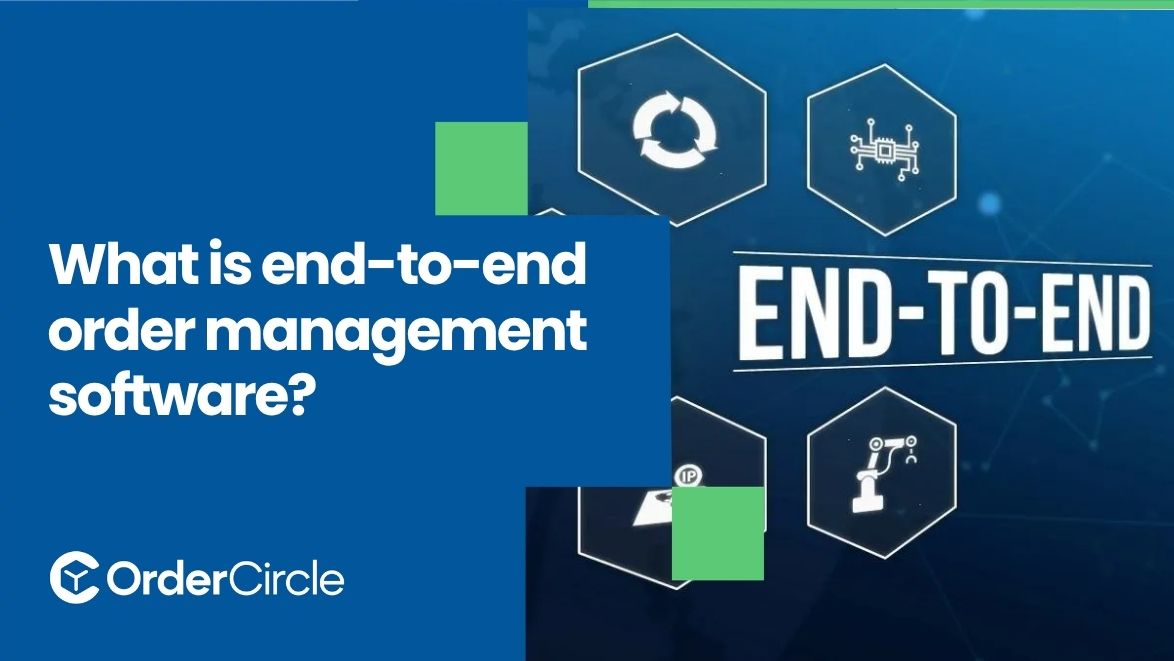
A customer places an order and expects the business to handle the rest. But behind that one click, a lot starts happening. Stock needs checking. The right warehouse needs to see it. Shipping has to move. Tracking has to go out. And if something changes halfway through, someone has to catch it before the customer does.
That is where an end-to-end order management solution comes in. It keeps the full order process moving in one connected flow instead of breaking it into scattered pieces. For businesses that sell through multiple channels or handle high order volume, that kind of setup is not just convenient. It is what keeps the whole thing from turning into a mess.
Key Takeaways
- End-to-end order management software keeps the full order journey in one system.
- It helps businesses manage orders, inventory, shipping, and returns with fewer manual steps.
- Real-time updates help teams stay aligned and avoid avoidable mistakes.
- Multi-channel visibility makes it easier to handle ecommerce, wholesale, and sales orders together.
- Strong order control improves speed, accuracy, and customer trust.
Understanding End-to-End Order Management Software
At its simplest, end-to-end order management software handles everything that happens after a customer makes a purchase. It captures the order. It checks stock. It sends the order where it needs to go. It follows the shipment. It also keeps track of returns. All of it sits in one connected process instead of being spread across different tools.
That matters because order handling gets harder fast once a business grows. One channel becomes three. One warehouse becomes two. One customer service rep starts juggling more questions than they can keep in their head. A connected system keeps things from slipping through the cracks. That is the real job here.
What End-to-End Order Management Software Means
End-to-end order management software is basically the control center for the whole order journey. It does not just record a sale. It follows that sales include stock checks, allocation, fulfillment, shipping, and post-purchase updates.
So when someone asks, “What happens after the order comes in?” the answer is not a pile of manual tasks. It is a single workflow that keeps moving. That is a big deal for businesses that want fewer errors and less back and forth between departments.
The best part is that everyone can work from the same order record. Sales sees it. Warehouse sees it. Support sees it. Nobody has to dig through email threads or hope yesterday’s spreadsheet is still accurate. That alone saves a lot of time.
Key Features of End-to-End Order Management Software
A lot of tools claim to help with orders. Not all of them do the job well. The useful ones are the ones that support the daily work without making the team jump through hoops.
Centralized Order Processing System
This is the part that keeps all orders in one place. No matter where the order came from, the system captures it and sends it into the same workflow. That means fewer duplicate entries and fewer moments where someone says, “Wait, did we already process that?”
It also helps teams move faster. Instead of checking three systems to figure out what is pending, they open one screen and see the full picture. That sounds small. It is not. In busy operations, this is the difference between calm and chaos.
Real Time Inventory and Stock Updates
Stock counts only matter if they are current. A product can appear available on one channel but already be committed elsewhere if the numbers are not properly synced. That is how overselling starts.
Real time inventory updates keep the business honest. When stock changes, the system reflects it right away. That makes it easier to fulfill orders accurately and avoid the awkward follow up conversation where a customer hears, “Sorry, that item is not actually available.”
Multi Channel Order Management
These days, most businesses are not selling in just one place. There is ecommerce. There may be wholesale portals. Maybe a sales team handles direct accounts. Sometimes marketplace orders are in the mix too. Website. Phone. Marketplace. Wholesale account. Sales rep. It adds up quickly.
That is why multi channel control matters so much. It keeps all those orders visible in one system instead of letting each channel act like its own little world. When that happens, the business can stay organized even as sales grow in different directions.
Automated Workflow and Notifications
A strong system does not wait around for people to remember everything. It pushes the process forward. That may mean routing orders automatically. It may mean sending alerts when stock runs low. It may mean notifying a team when an order needs review.
Those little nudges make a difference. They cut down on manual follow up and help the business stay on schedule. Nobody loves doing the same reminder task over and over. Automation handles the boring parts so people can focus on the work that actually needs judgment.
Reporting and Performance Analytics
A business can only improve what it can actually see. Reporting helps teams understand what is happening across the order process. Which products move fastest? Where do delays happen? Which channels bring the most repeat orders?
That kind of information is useful because it shows what is working and what is dragging things down. It is not about making reports for the sake of reports. It is about giving the business a clearer view so decisions get better over time.
How End-to-End Order Management Software Works
The process usually starts the moment the order is placed. From there the system does a few important jobs in sequence. It captures the order. It checks stock. It routes the item. It tracks progress. It updates the customer if needed. Then it keeps going after delivery if there is a return or exchange.
That flow is what makes it feel “end to end.” Nothing gets dropped in the middle. Nothing sits in a separate corner waiting for someone to notice. The order stays visible until the job is done.
Order Capture from Multiple Channels
Orders can come from all sorts of places now. An online store. A wholesale portal. A sales rep. A marketplace listing. The software pulls those orders together instead of leaving them scattered.
That matters because each channel can create its own confusion if it is managed separately. One order gets entered twice. Another one gets missed. A customer asks for an update and nobody knows which system has the latest answer. Central capture prevents a lot of that nonsense.
Inventory Validation and Allocation
Before the order moves further, the system checks whether the items are actually available. If they are, it can reserve the stock. If not, it can flag the issue early. That keeps the business from promising something it cannot ship.
This is where purchase order management becomes part of the bigger picture. When purchasing and stock control stay tied to the order flow, the business can plan better and avoid stock surprises. It is a lot easier to stay ahead of demand when the numbers are accurate from the start.
Order Fulfillment and Shipping Process
Once the order is validated, it moves into fulfillment. That usually means picking, packing, labeling, and handing off to the carrier. The system keeps that work organized so the warehouse does not have to guess what comes next.
A clean fulfillment process helps more than people think. It reduces wait time. It lowers the chance of mistakes. It makes shipping feel less like a scramble and more like a repeatable process, which is what most operations really need.
Tracking, Updates, and Customer Communication
Customers do not like guessing. They want to know when their order ships and where it is. End-to-end software helps keep those updates clear and timely.
It also helps the support team. When a customer asks for an update, the answer is already sitting in the system. No digging. No calling three people. Just a quick response that makes the business feel organized and responsive.
Returns and Post Purchase Management
The work is not done when the package arrives. Returns happen. Exchanges happen. Refunds happen. A strong system keeps those steps attached to the original order so nothing gets lost.
That part matters because post purchase support shapes how people remember the business. If the return process is a headache, the whole experience sours. If it is handled smoothly, customers usually stay more forgiving. Sometimes a good return experience saves the relationship.
Conclusion
End-to-end order management software gives businesses a way to handle the entire order journey without bouncing between disconnected tools. It keeps the process moving from order capture to inventory checks to fulfillment, shipping, tracking, and returns. That matters because most order problems do not come from one huge failure. They come from a bunch of small gaps. One missed update. One wrong stock count. One delayed handoff. A connected system closes those gaps before they turn into customer issues.
It also gives teams a steadier way to work. Sales knows what was ordered. Warehouse knows what to ship. Support knows what the customer sees. Nobody has to rebuild the story of the order every time someone asks a question. That is why the right order management system software can make such a visible difference in the business. For companies trying to keep things moving without losing control, Order Circle gives them a practical way to bring orders, inventory, shipping, and customer updates into one place that actually makes sense.
FAQs
How does end-to-end order management software work?
It collects orders from different channels and sends them through one connected workflow. The system checks stock, routes the order, updates status, and helps manage what happens after delivery too.
Who uses end-to-end order management software?
E-commerce stores, wholesalers, manufacturers, and multi-channel retailers all use it. Basically, any business that handles a decent number of orders can benefit from having a cleaner process.
Does it improve order accuracy and fulfillment speed?
Yes, usually quite a bit. When the system keeps order and stock data aligned, there are fewer mistakes and less waiting between order placement and shipment.
Is it useful for e-commerce and wholesale businesses?
Definitely. E-commerce teams need accuracy and speed while wholesale teams need better control over larger orders and account-specific workflows. One system can support both pretty well.
.svg)


