
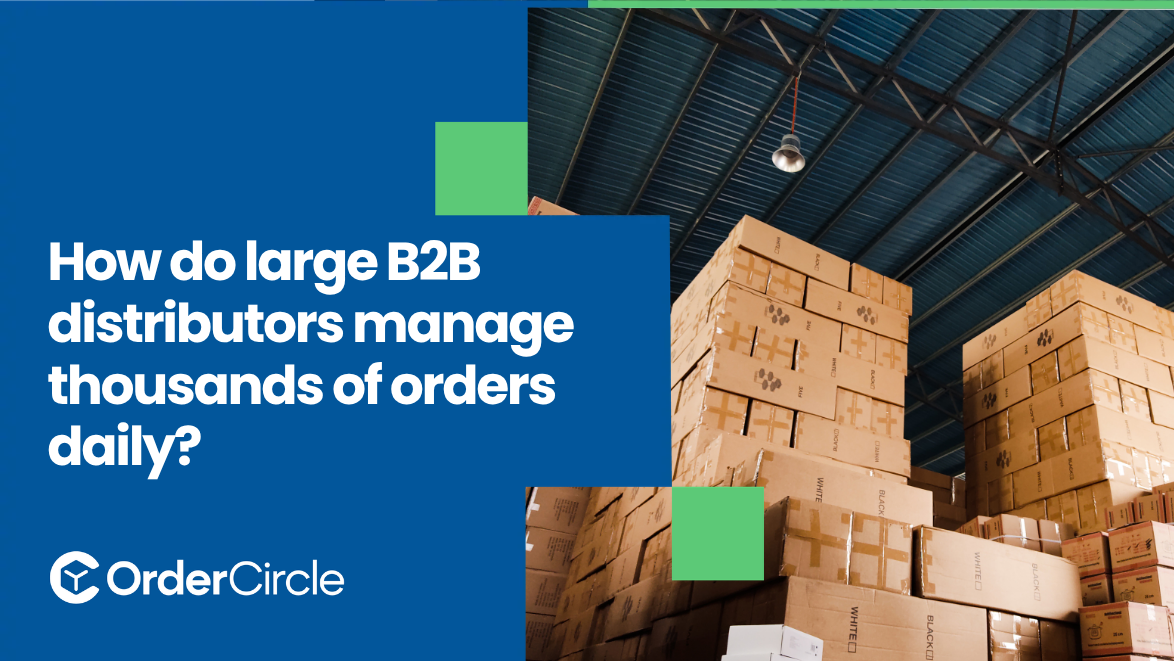
When a business expands to processing thousands of transactions every single day, standard commerce practices completely break down. Managing massive high-volume corporate procurement is fundamentally different from running a standard consumer-facing retail setup due to intricate contract parameters and multi-location supply lines. Large-scale distributors replace manual data entry entirely by routing high-volume transactions through unified digital pipelines to protect their business margins. By automating these heavy workflows, major global suppliers systematically phase out manual processing to keep their fulfillment engines moving seamlessly without adding a group of back-office administrators.
Key Takeaways
- Large-scale distributors replace manual data entry entirely by routing high-volume transactions through unified digital pipelines.
- Advanced inventory allocation logic ensures that incoming trade orders are filled from the best available regional storage facility, maximizing fulfillment speed.
- Tight software synchronization connects the warehouse loading dock with backend financial ledgers, preventing invoicing discrepancies.
- Intelligent rule sets eliminate traditional human approval logjams, allowing routine bulk orders to pass straight to the fulfillment floor automatically.
Automated Ways Enterprise Distributors Scale Daily Order Volumes
Operating at an elite level requires structured automation. Industry leaders utilize an interconnected order management system software ecosystem to track products from initial acquisition down to the final loading dock delivery. Here is how large-scale distributors remove operational friction to process thousands of daily shipments seamlessly.
1. Consolidating Omnichannel Influx Into a Single Source of Truth
High-volume commercial distributors receive inbound purchasing contracts from an absolute web of different channels. On any given morning, bulk stock requests stream in simultaneously via automated electronic data interchange (EDI) channels from corporate retail buyers, private online self-service client portals, and field sales representatives inputting custom bids live from client sites.
Top-tier companies handle this heavy influx by deploying modern order management solutions that serve as a single, centralized intake harbor. The software immediately ingests, translates, and normalizes every arriving file into one standardized format. This digital consolidation gives your operations manager total visibility into the entire incoming corporate demand pool without requiring them to log in to multiple separate business systems.
2. Removing Friction with Automated Contract and Pricing Validation
In the B2B world, almost no two corporate clients pay the exact same price for bulk inventory items. Multi-layered contract systems dictate distinct volume discounts, unique bundled rebate rules, and strict pre-negotiated credit terms.
Managing this complexity by hand at scale is a recipe for disaster. If your billing clerks have to manually check every incoming sheet against physical paper contracts, your processing speed collapses.
Advanced distribution networks use software platforms with built-in rule engines to cross-examine incoming documents instantly. The system compares the quantities and item prices listed on a customer’s incoming document against their official profile in the database. If the metrics align perfectly, the file is approved and advanced down the line within milliseconds—no human intervention required.
3. Orchestrating Multi-Warehouse Stock Allocation and Routing
A massive distribution brand rarely operates out of just one warehouse facility. They typically maintain scattered networks of regional distribution centers, localized branches, and third-party logistics (3PL) storage hubs.
When thousands of multi-line purchase requests pour in daily, the enterprise software must make instant, intelligent decisions regarding product sourcing.
Modern platforms handle this via automated intelligent routing paths. The moment a bulk purchase document clears verification, the software automatically scans live stock levels across the entire country. It evaluates the delivery address, identifies which facility holds the available items closest to that location, and calculates the most cost-effective way to fulfill the request. If an order contains multiple specialized products, the system can automatically split the lines, generating individual picking tickets for separate facilities to maximize the delivery timeline.
4. Accelerating the Warehouse Floor via Intelligent Batch Picking
Once an order is routed to a specific facility, the operational challenge moves directly to the physical warehouse floor. If warehouse workers try to pick high-volume orders one by one, walking the aisles to retrieve individual sheets, they waste a massive amount of time and create major physical foot-traffic bottlenecks.
To combat this, modern warehouse systems break down bulk orders and combine them into optimized batches based on the warehouse's physical layout. The software groups lines by specific zone, generating continuous, hyper-efficient picking paths for the staff. Floor teams use handheld wireless barcode scanners to instantly verify items as they pull them from racks. This live tracking drastically reduces picking mistakes, eliminates physical paperwork loops, and ensures that high-volume shipments move into packing crates and out onto shipping docks with maximum efficiency.
5. Integrating End-to-End Purchase Order Management and Procurement
A true high-volume operation must align its outgoing customer sales perfectly with its incoming supply lines. Running out of stock on a critical, fast-moving component can stall an entire client's project, severely damaging long-term corporate relationships.
Distributors solve this vulnerability by locking their sales workflows directly into their purchase order management architecture. The underlying software constantly updates live inventory tallies across all channels.
The moment available stock drops below a calculated historical safety threshold, the system automatically runs the numbers, selects the correct manufacturer, and drafts a precise replenishment document. By keeping supply chains tightly synced with real-time customer demand patterns, companies avoid tying up vital operational capital in dead warehouse stock while ensuring they always maintain high availability for their best clients.
6. Eliminating Settlement Hurdles with Connected Accounting Systems
The order lifecycle isn't truly complete until the final payment is cleared and ledger entries are securely posted. Manually copying high-volume commercial details over to external financial ledgers at the end of the day is an entry-error nightmare waiting to happen. Enterprise-grade distribution software integrates natively with core corporate ledger frameworks and ERP platforms.
When the loading dock team scans a pallet onto an outbound freight carrier, the software instantly executes a sequence of automated accounting tasks, updating the general ledger to reflect the precise cost of goods sold (COGS) and generating a clean B2B invoice that accounts for net payment windows. This instantaneous data flow eliminates invoicing disputes, protects your true profit margins, and ensures your corporate cash flow remains fluid.
Read Also: What software do B2B companies use for purchase orders?
Conclusion
Processing thousands of complex B2B orders every single day is an operational impossibility without full digital standardization. By unifying your fulfillment loops under modern centralized platforms, you completely eliminate administrative bottlenecks and protect your margins.
If you are ready to remove manual data friction and scale your distribution pipelines efficiently, OrderCircle provides reliable, specialized wholesale software frameworks built to automate your workflows from a single, intuitive control center.
Frequently Asked Questions
How does an order management system software reduce clerical data errors?
It unifies all inbound sales channels into a single digital processing pool. This direct communication eliminates the traditional need for office clerks to manually retype email sheets into warehouse logs, reducing human data-entry errors and keeping your operational files completely clean.
What happens if a large order contains items stored in separate warehouses?
Advanced systems utilize intelligent order-splitting logic. The automated program reviews the total item list, checks real-time geographic stock availability, and splits the order into separate warehouse instructions seamlessly, ensuring the client receives their items as quickly and cost-effectively as possible.
Can high-volume B2B systems support custom pricing levels for individual buyers?
Yes. Enterprise platforms feature advanced contract management modules that let you lock in specific volume discounts, tiered group margins, and unique credit limits for individual customer profiles, automatically showing buyers their exact pre-negotiated rates the second they log into the system.
.svg)


