
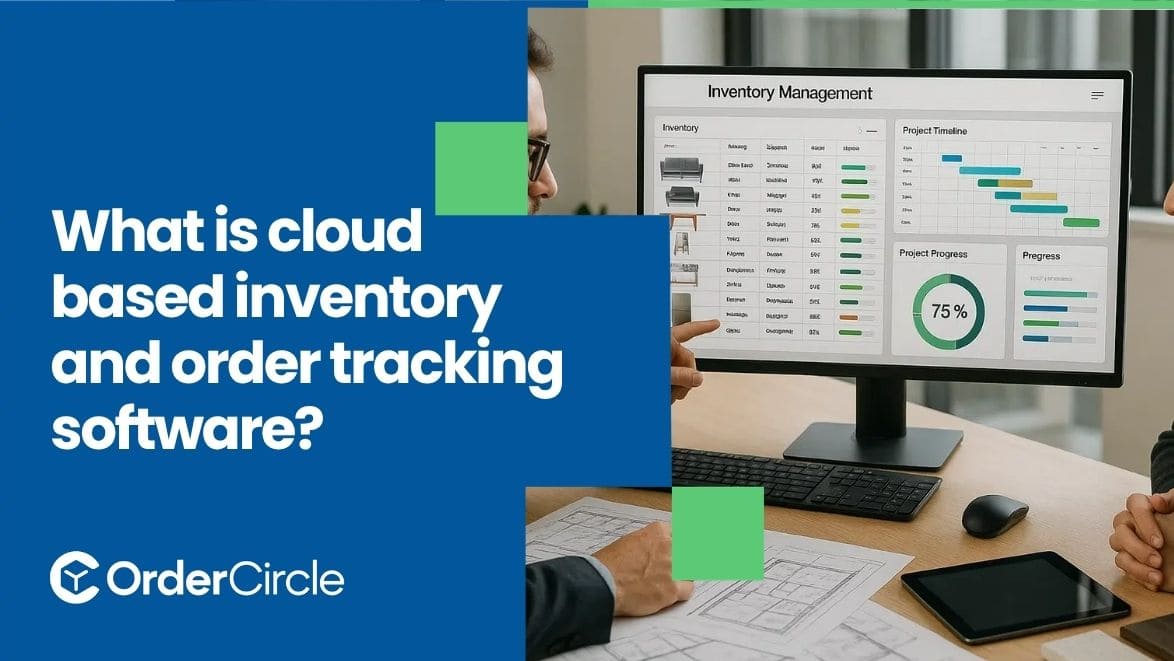
Cloud-based inventory and order tracking software helps businesses keep stock counts, sales orders, and fulfillment updates in an interconnected system. It gives your team a clear view of: what is available, what has been sold, and what still needs to move. That matters more than people usually think.
Once sales start coming in from more than one channel, mistakes show up fast. A delayed update here, a missed item there, and suddenly a simple order turns into a customer service problem.
The real value of this kind of system is not just visibility. It is controlled. When the same data is available to sales, warehouse staff, and customer support, everyone works from the same version of the truth. That makes daily operations easier to manage and much less dependent on memory, inbox searches, or spreadsheets.
Key Takeaways
- Cloud systems help teams see stock and orders in one place without relying on manual updates.
- The right inventory management software supports faster decisions when inventory changes throughout the day.
- Real-time visibility matters because it prevents overselling and reduces fulfillment errors.
- Automated alerts and synced updates save time when stock runs low or orders move quickly.
- Multi-channel businesses benefit because orders stay organized across ecommerce, retail, and wholesale sales.
- Cloud access makes it easier for teams in different locations to work from the same data.
Understanding Cloud-Based Inventory and Order Tracking Software
A cloud-based system stores operational data online rather than keeping it on a single office computer or local server. That means managers and staff can check stock levels and order status from different devices as long as they have access. For many businesses, that sounds simple, but in practice, it changes how quickly people can respond.
It also helps businesses stay flexible. A warehouse manager can update stock from the floor. A sales rep can confirm availability while talking to a customer. A business owner can review order activity without waiting for a daily report. That kind of access keeps teams moving without adding extra steps.
What Cloud-Based Inventory and Order Tracking Software Means
At its core, this type of system is about tracking inventory and orders in real time through an internet based platform. Instead of recording changes in separate files or waiting for manual updates at the end of the day, the system updates data as actions happen.
That matters in everyday business situations. A customer places a large order in the morning. The warehouse ships half of it by lunch. Another sales rep checks the same item in the afternoon. Everyone sees the most current status. No guessing. No outdated count from yesterday's spreadsheet. Just one live record that keeps the operation grounded.
Connect OrderCircle with ShipStation
How Cloud-Based Systems Manage Inventory and Orders
These systems connect product data, order data, and fulfillment data into one workflow. When stock is received, the numbers update. When an item is sold, the system adjusts the available quantity. When an order is packed or shipped, the status changes again.
That creates a smoother chain from sale to delivery. It also reduces the risk of double selling inventory that is already committed elsewhere. For businesses that work across multiple channels, that connection is a huge help. It keeps the sales team honest, the warehouse informed, and the customer experience far less messy.
Key Features of Cloud-Based Inventory Systems
Not every platform works the same way. Some are built for small teams that need basic stock control. Others are designed for businesses with multiple locations and heavy order volume. The strongest systems usually share a few features that make daily operations more manageable.
Real-Time Inventory Visibility Across Locations
One of the biggest advantages of cloud systems is the ability to see stock levels across several locations at once. That is useful for retailers with more than one store, wholesalers with multiple warehouses, and ecommerce brands that sell from centralized fulfillment centers.
Instead of checking separate records for each location, teams can look at one dashboard and see what is available. That makes transfers easier too. If one location is low and another has excess stock, the business can rebalance inventory before it becomes a problem. Simple idea. Big impact.
Automated Stock Updates and Alerts
Manual stock tracking takes time and usually falls behind real activity. Automated updates solve that by changing inventory counts as soon as sales or receiving actions happen. That helps keep numbers accurate throughout the day, not just at the end of a shift.
Alerts matter just as much. When stock runs low, the system can notify the right people before the shortage hurts sales. A good alert system also helps teams react to fast moving products, seasonal spikes, or supplier delays. It is the difference between staying ahead and scrambling after the fact.
Centralized Order Management Across Channels
A business that sells through a website, marketplace, sales team, and maybe even a physical counter needs one place to manage all incoming orders. Centralized order tools keep that process from turning into a patchwork of disconnected systems.
This is where software for inventory management becomes especially useful because it ties order flow directly to stock availability. When one system handles incoming orders from multiple channels, the team does not have to jump between tools just to see what has been sold. That saves time and makes fulfillment more consistent.
How Cloud Based Inventory Systems Work
The technical side does not need to be complicated to understand. Think of the system as a live hub that stores data online and shares it across the business in real time. Every action feeds into the same record. That is what makes the whole setup useful.
Cloud Data Storage and Synchronization
Cloud storage keeps inventory and order data in a secure online environment. When someone updates stock or records a new order, the change syncs across the system. That gives everyone access to the same information without needing to send files back and forth.
Synchronization is what keeps the system useful in the real world. A warehouse team can update incoming shipments while a sales team checks availability. The information stays aligned because the cloud handles the refresh automatically. That simple thing prevents a lot of confusion.
Order Processing and Fulfillment Workflow
Once an order enters the system, it moves through a set of steps. It may be reviewed, packed, shipped, and marked complete. Each stage updates the record so the business knows exactly where the order stands.
That workflow helps with accountability too. If a package is delayed or a product is backordered, the team can see where the issue started. For businesses handling many orders at once, that visibility keeps small problems from becoming bigger ones. It also makes it easier to answer customer questions without hunting through multiple systems.
User Access, Permissions, and Control
Not everyone in a business needs the same level of access. A warehouse associate may only need stock entry tools. A manager may need reporting. A sales rep may need visibility into customer orders but not pricing controls. Cloud systems often let businesses set those permissions by role.
That level of control matters because it protects both data and process. It reduces the risk of accidental changes while keeping people focused on their own work. For businesses with multiple staff members or multiple departments, that structure is not optional. It is what keeps the system orderly.
Some companies also rely on inventory management services when they need help with setup, training, or process design. That can be especially useful for teams moving away from manual systems and trying to clean up old habits without slowing the business down.
Conclusion
Most businesses do not realize how much time gets lost because inventory and order information live in too many places at once. One team updates a spreadsheet. Someone else checks an outdated stock count. Customer support is stuck asking the warehouse for shipping updates that should already be visible. That setup works for a while until orders increase and small mistakes start piling up. Cloud systems solve that problem by keeping inventory, orders, fulfillment activity, and stock movement connected in real time. The business runs with less guesswork because everyone is working from the same information at the same moment.
That is also why choosing the right inventory management software matters more than people think. It is not only about tracking products. It is about creating a smoother operation where stock updates happen automatically, orders move through fulfillment faster, and teams spend less time correcting preventable issues. Platforms like Order Circle help businesses simplify that process without making the system feel overly technical or difficult to manage.
If your current workflow still depends on manual updates or disconnected tools, moving to a cloud-based setup can genuinely make day to day operations feel lighter and far easier to control.
Read Also: How does OMS software improve order fulfillment?
FAQs
Can cloud-based systems integrate with e-commerce platforms?
Yes. Many cloud systems connect with e-commerce platforms so orders and stock update automatically.
Is cloud inventory software suitable for small businesses?
Yes. Small businesses often use it because it is easier to access and scale than local software.
What are the main benefits of cloud inventory systems?
They improve visibility, reduce manual work, and help teams avoid stock errors.
How does cloud software improve order accuracy?
It keeps inventory counts current and gives teams one shared record to work from.
.jpg)
.jpg)
.jpg)
.jpg)
.svg)


