
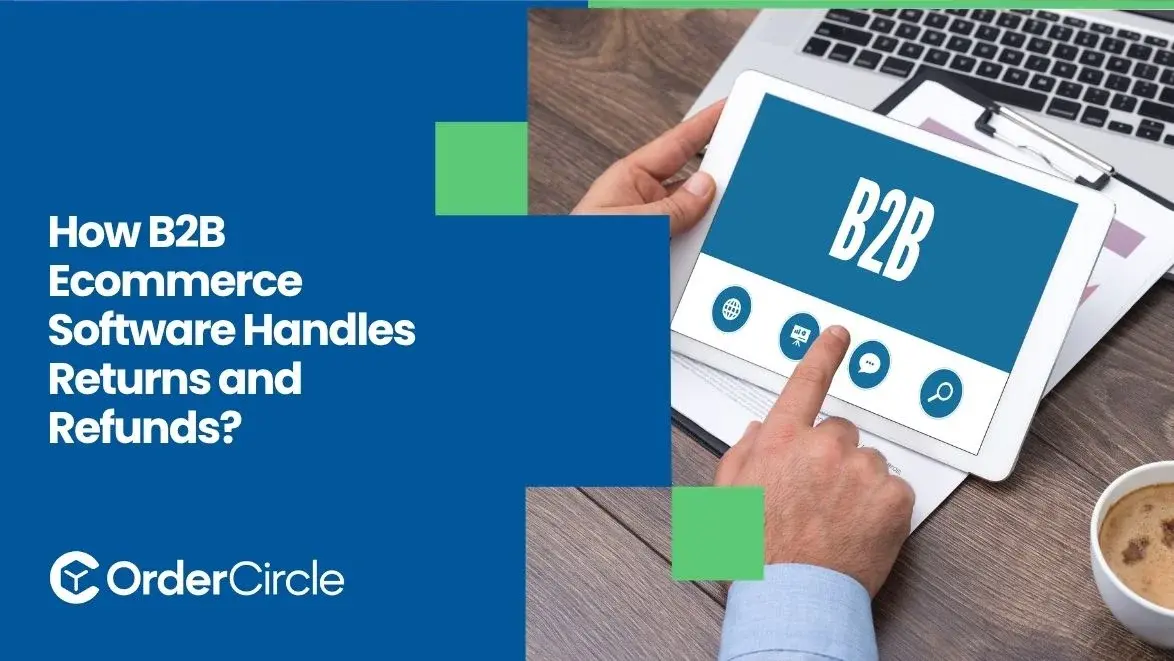
Unlike retail transactions where individual consumers return single items, wholesale operations may need to manage larger order volumes, negotiated pricing, account-specific terms, and more complex accounting requirements. Modern online platforms give buyers a self-service portal to access orders, invoices, account information, and shipment updates, making return-related communication easier to manage across the business.
Integrated software helps businesses organize customer communication, update inventory records, and keep related account and financial records connected. Digitizing this entire process helps sellers manage returns efficiently without losing track of their physical inventory or financial records.
Key Takeaways
- Buyers can access orders, invoices, shipment updates, and account information through a centralized dashboard, reducing back-and-forth communication around transactions.
- Businesses can establish return rules around product condition, order dates, and eligible items before processing a return.
- Returned items that pass inspection can be reflected in available inventory after the appropriate stock adjustment.
- B2B systems can connect customer balances, invoices, payments, and order records when a return requires a financial adjustment or replacement order.
Stages of B2B Ecommerce Return Handling
Taking back wholesale items takes a clear step-by-step process so teams can handle large boxes, check for damages, and keep buyers updated. Managing this manually can lead to inventory discrepancies, fragmented records, and frustrated trade partners. Using specialized B2B ecommerce software keeps every phase transparent and organized for your warehouse crew and sales team alike.
1. Identifying the Return and Accessing Order Records
The process starts by identifying the original order and the products involved. A B2B customer portal can give buyers and internal teams easier access to order history, account information, and transaction records without requiring tedious email searches or phone calls.
- Order Record Verification: Teams can look up the original invoice or purchase order to verify purchase details, wholesale pricing tiers, and customer-specific pricing.
- Partial Order Returns: Businesses can allow customers to return specific items or quantities from a larger order when their return policy permits it.
- Date Checking: Businesses can use order and delivery dates to determine whether a return falls within their stated return window and policy guidelines.
2. Authorization and Return Coordination
Once a return request is reviewed against the business’s return policy, the company can issue a Return Merchandise Authorization (RMA) to organize the approved return.
- Clear Approval Review: Internal teams can evaluate return reason and item conditions against established guidelines to help ensure only approved returns proceed to the receiving stage.
- Return Instructions: Buyers receive clear packaging guidelines and designated return addresses to ensure safe transit and proper identification upon arrival.
- Shipment Coordination: Teams can share return shipping instructions with the buyer and monitor the incoming delivery through their standard fulfillment tracking methods.
3. Warehouse Receiving and Inspection
When the returned shipment reaches the warehouse, staff can match it against the original order and record the quantity and condition of the returned products in their internal records.
- Order Matching: Warehouse teams match incoming packages to original order and customer records to verify details before unpacking containers.
- Item Condition Checks: Staff can inspect returned items and determine whether they can be returned to stock, require further handling, or are unsellable.
- Receiving Records: Teams can document discrepancies or damage identified during the receiving process for clear internal records.
4. Updating Inventory Records
After inspection, teams can update inventory records to reflect returned products rather than relying on disconnected spreadsheets or manual tracking.
- Inventory Adjustments: Products approved for resale can be reflected in available inventory after the appropriate stock adjustment is recorded.
- Damaged Inventory: Unsellable or damaged goods can be separated from available stock while teams determine the appropriate next step.
- Inventory Sync: Updated inventory information can be synchronized across connected sales channels to improve stock visibility and reduce the risk of stockouts.
How B2B Ecommerce Software Handles Refunds
Wholesale returns may involve adjustments to customer balances, invoices, payment records, and other financial records that need to stay connected to the original order.
1. Credit Notes and Customer Account Balances
Credit notes are one way wholesale businesses can settle approved returns and adjust customer balances. Once a return is approved, the related financial adjustment can be recorded against the customer account and original transaction to keep the related customer and transaction records aligned.
- Applying Credits to Balances: Approved credits can be applied according to the business's invoicing and payment policies.
- Future Purchases: Businesses may choose to apply approved credits toward future purchases according to their policies.
- Accounting Sync: Connected accounting integrations can help keep relevant invoice, payment, and transaction records synchronized across business systems.
2. Managing Replacement Orders
When buyers receive damaged stock, they usually want fresh replacement items shipped out right away so their own inventory does not remain unavailable for long.
- Replacement Order Management: Sales teams can create and submit a replacement order through their standard B2B order management process.
- Fulfillment Priority: Teams can prioritize replacement orders through internal fulfillment procedures to resolve customer issues quickly.
- Shipment Tracking: Order and shipment records can help teams monitor fulfillment activity related to replacement orders.
3. Applying Restocking Fees
Wholesale suppliers may apply restocking fees to cover the labor costs of opening boxes, checking items, and putting them back on warehouse shelves.
- Fee Calculation: If the business applies a restocking fee, the applicable amount can be included when calculating the customer's final adjustment.
- Return Policies: Businesses can establish different restocking fee policies based on the reason and condition of the return, such as waiving fees for defective goods while applying them to non-defective returns that fall outside the supplier's preferred return conditions.
- Clear Adjustment Records: Businesses should provide a clear breakdown of the original charge, applicable fees, and final customer adjustment.
4. Financial Record Keeping and Multi-Currency Adjustments
Modern platforms can help businesses keep refunds, customer balances, invoices, and payment records organized across various payment methods and currencies.
- Payment Refunds: When a refund is approved, businesses can process the applicable payment adjustment through their configured payment workflow.
- Customer Balances: Return-related financial adjustments can be reflected in customer account records according to the business's payment terms and account policies.
- Handling Multiple Currencies: Multi-currency functionality helps businesses manage pricing, invoicing, payments, and customer transactions across different currencies.
Conclusion
Handling returns and refunds cleanly is essential for keeping wholesale buyers happy, maintaining strong commercial relationships, and protecting your business profits. Modern commerce operations require high visibility across every stage of the transaction lifecycle to maintain efficiency.
Connecting order, inventory, invoicing, payment, and fulfillment workflows helps businesses keep operational and financial records organized without extra daily stress. Explore how OrderCircle can help streamline your wholesale ordering, inventory, invoicing, payment, and fulfillment workflows.
FAQs
What is an RMA in B2B return processing?
An RMA, or Return Merchandise Authorization, is a reference issued by a business to organize an approved product return. It can connect the returned goods with the original order and the appropriate inspection, replacement, or financial adjustment across multiple operating departments.
How do wholesale platforms calculate credits for custom pricing?
When calculating a return adjustment, businesses can refer to the original order and the customer's agreed pricing so the adjustment reflects the amount actually charged rather than baseline retail list prices.
Can buyers swap damaged goods for new items?
Replacement orders can be processed through the same B2B ordering and fulfillment workflows used for other customer purchases. The exact replacement process depends on the business return policy, contract terms, and underlying software setup.
.svg)


