
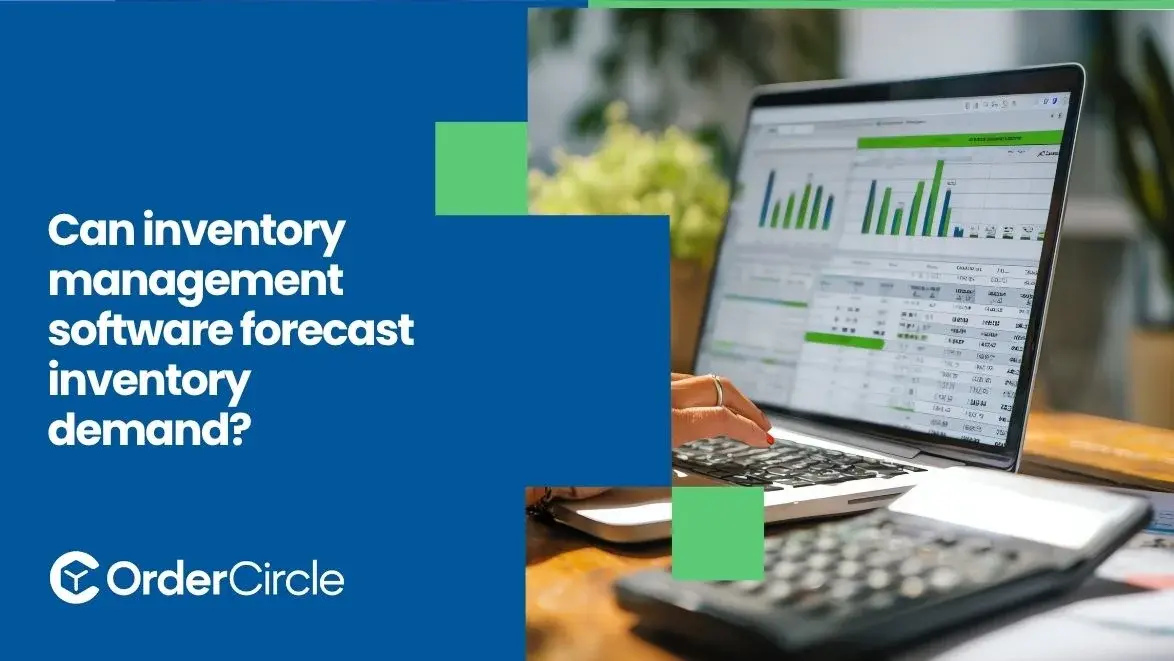
Inventory management software can forecast inventory demand. It looks at past sales, current stock, open orders, seasonal changes and other inventory data to estimate future demand. Some systems use basic forecasting methods such as moving averages. Others use more advanced models.
These forecasts can help with purchasing, reorder points, safety stock and stock allocation.
Key Takeaways
- Inventory forecasting turns past and current data into planning estimates. The system can combine sales trends, stock positions, orders and supplier information.
- Those estimates help purchasing teams make more informed replenishment decisions. Instead of relying mainly on guesswork, teams can plan around expected demand.
- Reliable data plays a major role in forecast quality. Incorrect inventory counts or missing sales records can lead to weak purchasing decisions.
How Does Inventory Management Software Forecast Demand?
Forecasting starts with data the business already has. Many companies use inventory management software to combine sales, stock and purchasing data in one system.
Historical Sales Data
The software starts with past sales. Suppose a store sold 500 units of a product last month. It can compare that number to sales in previous months. It may also compare it with the same period last year.
Recent sales can give an indication of what is happening at present. The system has some context from older records. Looking at both can help avoid making a prediction from one unusually good or bad month. The more reliable the sales history, the more useful it will generally be.
Sales Trends and Seasonality
Demand is not consistent throughout the year. A retailer might sell more jackets in colder months. Consider a school supply company. Demand can spike right before a new school year. Forecasting software can look for these repeated patterns. It may also detect whether demand has been gradually rising or falling. That matters because using last month's sales alone can give a misleading result. A seasonal product needs a different approach.
Current Inventory and Order Data
Past sales are only part of the picture. The system can also check how much stock is currently available. Open customer orders matter too. So do purchase orders that have already been placed with suppliers.
For example, a warehouse may show 100 units on hand, with another 200 units on order. If 150 units are committed to customer orders, the quantity currently available to promise may be lower than the on-hand stock figure suggests, depending on the system’s inventory definitions. Having these numbers together gives the forecast a more useful starting point.
Supplier Lead Times and Replenishment Needs
Supplier lead time can affect how much inventory needs to be ordered. If a supplier usually takes five days to deliver, a business has more flexibility. A supplier with a 30-day lead time requires more planning.
Inventory planning tools can combine demand forecasts with supplier lead times when calculating replenishment needs and timing. The system may flag a product for replenishment earlier if waiting too long could leave the business without stock. Lead times can change, though. A supplier delay can make an otherwise reasonable forecast less useful.
Forecasting Models and Algorithms
Different software uses different forecasting methods. Some systems use moving averages. They calculate demand from a selected period of past sales. Other methods look at trends and seasonal patterns over time.
More advanced systems may use statistical models or machine learning. These can handle larger amounts of data and look at several factors at once. The method matters but it is not the only thing that matters. Poor data can still produce a poor forecast.
How Can Demand Forecasting Improve Inventory Planning?
A forecast gives purchasing and inventory teams something to work with before placing the next order.
Reducing Overstock
Too much inventory ties up money and takes up warehouse space. Forecasting can help avoid ordering large quantities when demand is slowing. That can be especially useful for products with short lifespans or changing demand. It does not mean every forecast will prevent excess stock. It simply gives the purchasing team better information before an order is placed.
Preventing Stockouts
Running out of a popular product can lead to missed sales. A forecast can show that demand is likely to increase. The team can then order earlier or increase the amount purchased. Stockouts can still happen if demand suddenly jumps. Forecasting reduces some of the guesswork. It cannot predict every change.
Improving Purchasing Decisions
Purchasing teams need to decide what to buy and how much to buy. A demand forecast can support those decisions by showing expected demand for a future period. The team can compare that estimate with current stock and incoming inventory. That can make purchase planning less dependent on guesswork or manual spreadsheets.
Planning Reorder Points and Safety Stock
Reorder points tell a business when to place another order. Safety stock is inventory held in reserve for when demand is higher than expected or when a shipment is late. Forecast data can help both. For example, a product with consistent demand and a long lead time from suppliers may need a higher level of safety stock compared to a product that sells slowly and is delivered quickly.
Managing Inventory Across Multiple Locations
Forecasting also helps when inventory is located in multiple warehouses or stores. One place might be moving a product much quicker than another. Location-level demand forecasting can help identify those differences when the software supports it. The business can then move stock between locations or change the pattern of future purchasing.
What Can Affect the Accuracy of Inventory Forecasts?
A forecast is only as good as the data and assumptions that go into it. There are a few things that can make the outcome less accurate.
Inaccurate or incomplete sales data
Poor sales records, missing orders and incorrect inventory counts can affect the forecast. If the information entered into the system is wrong, the estimate can be wrong, too.
Sudden changes in customer demand
A trend, promotion, competitor shortage or other unexpected event can suddenly increase demand for a product. Historical data cannot always explain a change that has never happened before.
Seasonal products and unusual sales periods
Holiday promotions and other unusual selling periods could create spikes that are not representative of normal demand. The software needs enough historical context to determine whether a spike is a repeating pattern or a one-time event.
New products with limited sales history
New products are harder to forecast. There may be little or no historical sales data to use. The system may need to rely on similar products, early sales results or estimates entered by the business.
Changes in supplier lead time
A supplier that normally delivers in seven days may suddenly take two weeks. Demand may stay the same but the inventory plan still needs to change. Lead-time updates should make their way into the system so replenishment decisions are based on current conditions.
What Should Businesses Look for in Inventory Forecasting Software?
Not every inventory system offers the same forecasting tools. A few features are worth checking before choosing one.
Forecasting and Reporting Features
Look for forecasts that are easy to understand and review. Reports should make it clear how demand is changing and which products may need attention. A complicated forecast is not very useful if nobody on the team knows how to act on it.
Automated Reorder Recommendations
Some systems can suggest when to reorder and how much stock may be needed. That can save time for teams that manage large product catalogs. The recommendations should still be reviewed when something unusual happens.
Integration With Sales and Order Systems
Forecasting works better when the inventory system receives current sales and order information. If sales data sits in one system and inventory data sits somewhere else, the forecast may be working with old numbers.
Multi-Location Forecasting
Companies with several warehouses or stores may need forecasts for individual locations. A product might have strong demand in one location and weak demand in another. Location-level data can help prevent unnecessary stock transfers or purchases.
Ability to Adjust Forecasts Based on Business Changes
A good forecasting tool should not force the team to accept all predictions as final. A major promotion, supplier problem, product launch or other known change may require adjustment. The people managing inventory still need to have the final plan under their control.
Conclusion
Good demand forecasting turns scattered inventory data into useful planning signals. Software can analyze past sales, current stock, incoming orders and seasonality. From there, your team can plan purchases with better timing.
However, even strong forecasts can miss sudden market changes. New products and supplier delays often create extra uncertainty. That’s why human judgment still matters during inventory planning. Review predictions regularly and adjust them when conditions start shifting. Accurate records also help improve reorder points and safety stock decisions.
OrderCircle can bring sales, inventory and ordering data together. With cleaner information, your team can plan demand more confidently.
.svg)


