
Introduction
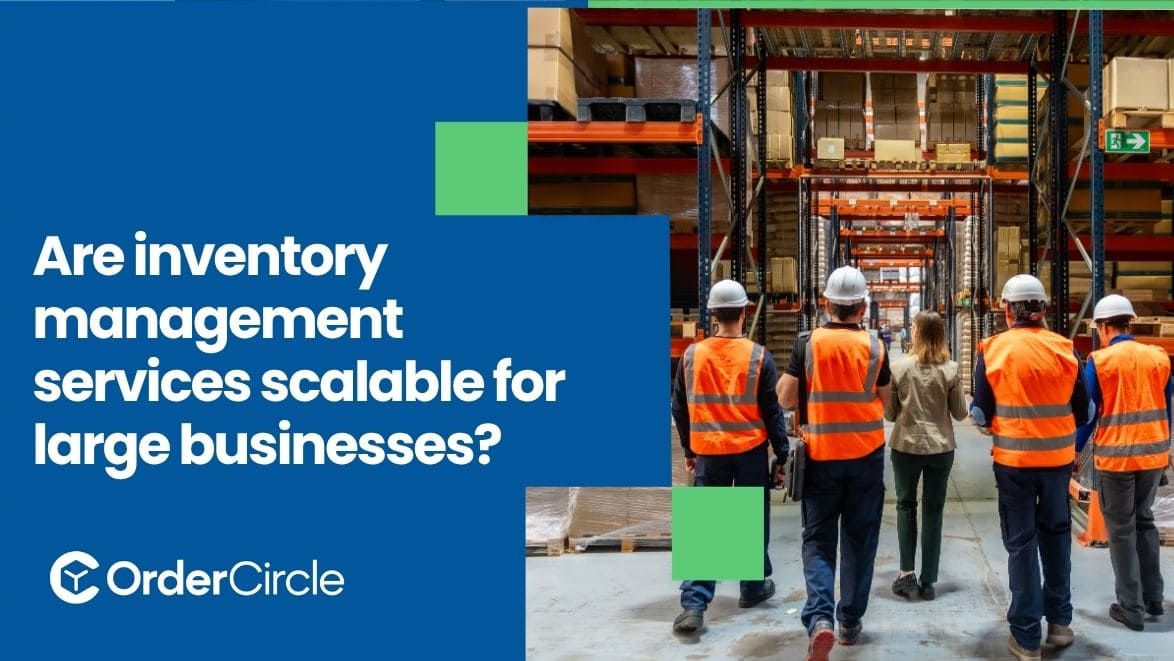
Large businesses depend on wholesale order and inventory coordination systems to keep operations smooth. Especially as they grow across markets and sales channels. Scalability means the system can handle more buyers, orders, and product catalogs… without slowing down or breaking accuracy.
Modern tools use cloud systems, automation, and real time data to manage wholesale order complexity across buyers and distributors. So, yes, scalable inventory systems can support large enterprises when built with flexible structure and smart integrations that keep everything connected and easy to control.
Core Takeaways
- Scalable systems handle growth in products, orders, and warehouses easily
- Cloud based tools keep data updated in real time across locations
- Automation reduces manual work and lowers error rates
- Integrated systems support smooth expansion without disruption
What Makes Services Inventory Management Scalable
Scalability depends on how flexible and connected an inventory management software is. Large businesses need systems that can grow without slowing down or creating data gaps. Cloud based setups and modular design help companies add more products or locations easily. Good systems also connect sales, wholesale orders, and buyer management in one place. This prevents confusion and keeps everything updated. Without scalability, businesses face delays, errors, and poor coordination in wholesale ordering and distributor management during growth.
How Do Services For Inventory Management Scale for Large Businesses
As companies grow, their operations become more complex. They deal with more retailers, orders, and sales channels at the same time. Scalable systems help by keeping all order and product data connected in one platform. This makes sure updates happen instantly and everyone sees the same information. It also reduces confusion between teams. With the right system, businesses can expand smoothly without breaking their internal workflow. Or losing control over order fulfillment and product availability.
Cloud Based Inventory Synchronization
Cloud systems allow businesses to access and update inventory from anywhere. Every change in stock is updated instantly across all locations. This removes delays and avoids mismatched data between warehouses. It also helps teams work together in real time. Even if a brand operates across regions, cloud systems keep wholesale orders and buyers aligned. This makes operations faster, simpler, and more reliable for growing businesses.
Multi Channel Order Management Integration
Large businesses often sell through different channels like wholesale, online stores, and marketplaces. A scalable system brings all these orders into one dashboard. This prevents double ordering and keeps product availability accurate across buyers. It also makes order tracking easier for teams. Instead of switching between systems, everything is managed in one place. This improves speed and reduces mistakes in order processing and fulfillment.
Real Time Stock Visibility Across Warehouses
Knowing exact stock levels is very important for large companies. Real time tracking shows what is available in every warehouse at any moment. This helps businesses allocate products to the right buyers and orders efficiently. It also prevents overstocking and shortages. When teams have clear visibility, they make better decisions. This leads to smoother operations and fewer supply chain problems.
Automation of Wholesale Workflows
Automation in inventory management services helps remove slow manual tasks from daily operations. Things like order processing, approvals, and fulfillment updates can run automatically. This saves time and reduces human errors. It also helps businesses handle large order volumes without stress. Teams can focus on planning instead of repetitive work. As a result, operations become faster and more efficient even during peak demand.
Data Driven Forecasting and Analytics
Forecasting tools help businesses understand future demand. They study past order patterns and buyer demand trends to predict what will be needed. This helps companies avoid overbuying or running out of stock. It also improves planning for busy seasons. Better predictions mean better decisions. Over time, this reduces waste and improves overall business performance.
Benefits of Scalable Inventory Systems for Large Enterprises
Scalable wholesale order systems help large businesses stay organized while growing. They connect all parts of the supply chain and reduce confusion between teams. These systems also improve speed and accuracy in daily operations. With better control over orders and product distribution, businesses can serve customers more reliably. They also reduce costs by avoiding fulfillment inefficiencies and improving order planning.
Improved Operational Efficiency
Scalable systems make work faster by reducing manual tasks. Teams do not need to update everything by hand. This saves time and improves productivity. It also reduces delays in order processing. When systems work smoothly, businesses can handle more work without adding extra pressure on teams.
Better Customer Experience
Customers expect fast delivery and correct orders. Scalable systems help make that possible by keeping inventory accurate. When stock data is correct, orders are fulfilled faster. This reduces mistakes and delays. Happy customers are more likely to return and trust the brand over time.
Reduced Stock Problems
Businesses often struggle with too much or too little stock. Scalable software for inventory management helps balance inventory levels. They show what is selling fast and what is not moving. This helps companies plan better and avoid losses. It also improves cash flow by reducing wasted stock.
Better Financial Control
Good inventory systems help businesses track costs clearly. They show how much stock is worth and where money is being used. This helps companies make better budget decisions. It also reduces financial risk caused by poor inventory planning.
Easy Business Expansion
Scalable systems make it easy to grow into new markets. Businesses can add new warehouses or product lines without changing the whole system. This makes expansion faster and less risky. It also keeps operations stable during growth.
Read Also: Key Features Every Ecommerce Software Should Have
Conclusion
Scalable inventory management is essential for large businesses that want to grow without losing control. They help manage complex operations through automation, cloud systems, and real time data. With better visibility and integration, businesses can handle more orders and locations smoothly. Platforms like OrderCircle show how centralized systems can simplify wholesale operations. In the end, scalability is not just a feature. It is a core requirement for long term growth and stable business performance.
FAQ Section
What does scalable inventory management mean?
It means the system can grow with the business. It handles more products, orders, and locations without slowing down or losing accuracy.
Why is scalability important for large businesses?
It helps businesses expand smoothly without breaking operations. It also keeps inventory data accurate across all systems and locations.
How do inventory systems support business growth?
They use cloud tools, automation, and real time tracking to manage increasing demand and keep operations connected and efficient.


.svg)


