
Introduction
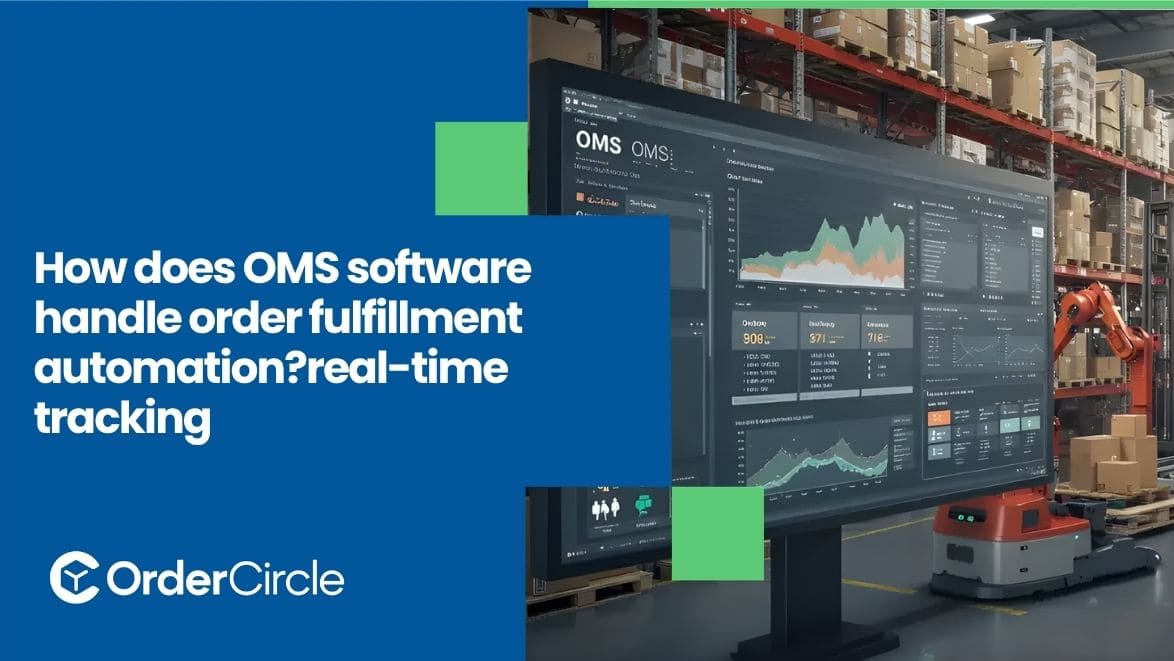
Order Management Systems (OMS) are basically the invisible engine running behind every smooth online purchase. They take chaos like scattered orders, messy inventory, and slow shipping workflows and turn them into one clean, automated system.
When you add order fulfillment automation into the mix, everything starts moving faster and smarter. Orders flow in, inventory updates instantly, warehouses get assigned automatically, and customers stay updated without anyone manually chasing data. Platforms like OrderCircle are built exactly around this idea of making fulfillment feel effortless, scalable, and real time.
Core Takeaways
Think of OMS software automation as the control room of ecommerce operations. Everything connects, everything updates, and nothing sits idle waiting for manual input.
- All orders land in one unified system instantly
- Inventory updates itself in real time across all channels
- Orders get routed to the smartest fulfillment location automatically
- Shipping details & tracking numbers generate without human effort
- Customers stay in the loop with automated updates
How Does Order Management Software (OMS) Handle Fulfillment Automation
This is where things get interesting. Order management system software basically removes the “human bottleneck” from the entire process. Instead of people manually pushing orders through steps, the system does it all in a flow that never slows down.
Centralized Order Management
Centralized order processing ensures that every order from websites, marketplaces and retail channels enters one system. This eliminates the need for manual entry and reduces human error. Businesses gain full visibility into all incoming orders from a single dashboard.
Real-Time Inventory Synchronization
Inventory management automation keeps stock levels updated instantly across all sales channels. When a product is sold, inventory is adjusted immediately. This prevents overselling and improves stock accuracy, especially for businesses operating across multiple platforms.
Automated Order Routing
Smart order routing systems decide where each order should be fulfilled based on location, stock availability, and delivery speed. This ensures faster shipping and reduced logistics costs by selecting the most efficient fulfillment center automatically.
Warehouse Automation Flow
Inside the warehouse, warehouse automation workflows take over. Staff don’t guess what to pick next. The system generates structured pick lists, optimized routes, and prioritized tasks. Less walking around. More getting things done.
Shipping Integration Layer
Then comes dispatch. With shipping order management solutions, OMS connects directly to courier services. Labels get created automatically. Tracking numbers are assigned instantly. No manual coordination between warehouse and carrier. It just flows.
Real-Time Tracking Updates
And finally, visibility. Order tracking automation keeps customers updated at every stage. Packed. Shipped. Out for delivery. Delivered. No guessing. No support tickets asking “where is my order.”
Benefits of Automated Fulfillment Order Management Software (OMS)
Now let’s talk about impact. Because automated fulfillment systems in purchase order management are not just about speed. They actually reshape how a business operates from the inside out.
Faster Fulfillment Cycles
With automated order workflows, the time between checkout and dispatch drops significantly. No delays waiting for manual checks or approvals. Orders move immediately into action mode.
Fewer Operational Mistakes
Error reduction systems in fulfillment quietly eliminate most human mistakes. Wrong addresses, missed orders, duplicate entries. All of that gets filtered out because the system is doing the heavy lifting.
Better Customer Experience
Customer experience automation changes everything. People don’t just get their orders faster. They also stay informed the whole time. That transparency builds trust without needing extra support effort.
Scalable Operations
Here’s the real business win. Scalable fulfillment infrastructure means you can go from 100 orders a day to 10,000 without rebuilding your entire system. The software scales, not your workload.
Smarter Business Decisions
And behind the scenes, fulfillment analytics tools give you real insights. What sells fast. Where delays happen. Which warehouse performs better. It turns operations into data driven strategy instead of guesswork.
Read Also: How Cloud-Based B2B Ecommerce Software Eliminates Duplicate Orders
Conclusion
Order Management System (OMS) software simplifies the full fulfillment process. It brings all orders into one place and removes manual work. Inventory updates in real time, so stock stays accurate across all channels.
Orders are then routed automatically to the best warehouse. This improves speed and reduces shipping costs. Inside warehouses, automation tools help teams pick and pack faster with fewer errors.
Shipping is also automated. Labels are created instantly and tracking updates go to customers without delay.
Overall, OMS improves speed, accuracy, and scalability. It helps businesses grow without adding operational chaos.
FAQ Section
What is an Order Management System (OMS)?
An OMS is software that manages the full order journey. It collects orders, tracks inventory, and handles fulfillment in one system. It reduces manual work and keeps operations organized.
How does OMS improve order fulfillment?
OMS automation speeds up fulfillment by removing manual steps. It routes orders to the right warehouse, updates stock instantly, and generates shipping details automatically. This makes delivery faster and more accurate.
Does OMS help with inventory management?
Yes. Inventory synchronization is a core feature of OMS. It updates stock levels in real time across all sales channels. This prevents overselling and keeps inventory data reliable.
Can OMS reduce shipping delays?
Yes. Shipping automation tools in OMS connect directly with courier services. Labels and tracking numbers are created instantly. Orders are shipped faster with fewer processing delays.
Is OMS useful for growing businesses?
Absolutely. Scalable fulfillment systems help businesses handle more orders without extra manual effort. As sales grow, OMS keeps operations stable, efficient, and easy to manage.
.svg)


